There are foods in which a cut affects the cooking speed, the homogeneity of cooking and the softness of a food after cooking.
- Polite
There are several cuts that can be used in foods, we highlight some more classic ones.
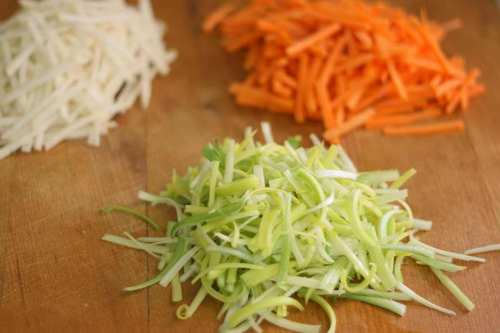 JULIENNE
This cut consists of cutting food into thin, long strips, something like 3mm X 3mm X 2.5cm. There is also the so-called Julienne Longo, with approximately 3mm X 3mm X 5cm.
Where to use: in almost all vegetables.
How to do it: first peel the vegetables and hit the ends. In vegetables such as peppers and tomatoes, with the aid of a spoon, discard the seeds, pulp and other filaments. Cut in half lengthwise, place on the board with the curved side up and make the strips lengthwise with the knife. In the case of vegetables that are not hollow, such as potatoes, carrots, beets, before cutting into strips it is necessary to slice.
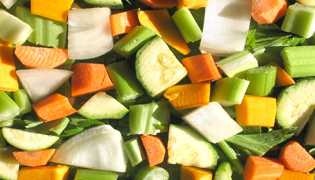 PEASANT CUT
This cut consists of cutting food in a half-moon shape.
Where to use: in almost all vegetables.
How to do it: first peel the vegetables and hit the ends. With the aid of a spoon, dispose of seeds, pulp and other filaments, if any. Cut in half lengthwise, place on the board with the curved side up and make the strips with the knife in the width direction.
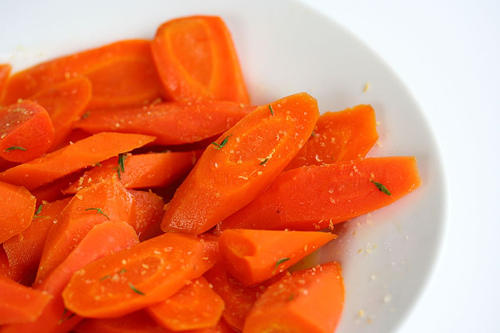
DIAGONAL CUTTING
This cut consists of cutting the long food diagonally.
Where to use: carrots, green beans, turnips, parsnips.
How to do it: first peel the vegetables. In the case of thicker vegetables, cut in four lengthwise and with the curved side up, cut with the knife always diagonally. The pieces can be bigger or smaller according to the use. For pods, just position them on the board and make the cut with the knife diagonally.
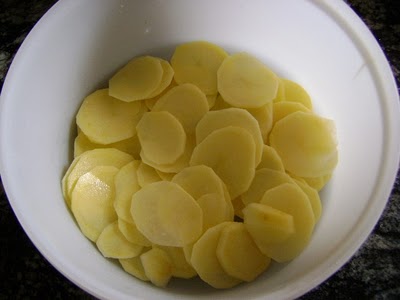
LAMINATE CUT
This cut consists of cutting food into very thin strips.
Where to use: garlic, dried fruits, green beans, leeks.
How to do it: if necessary, peel the vegetables. Position them on the board and make the cuts in very thin thickness, in the width direction. In the case of pods, this cut is called angel hair.
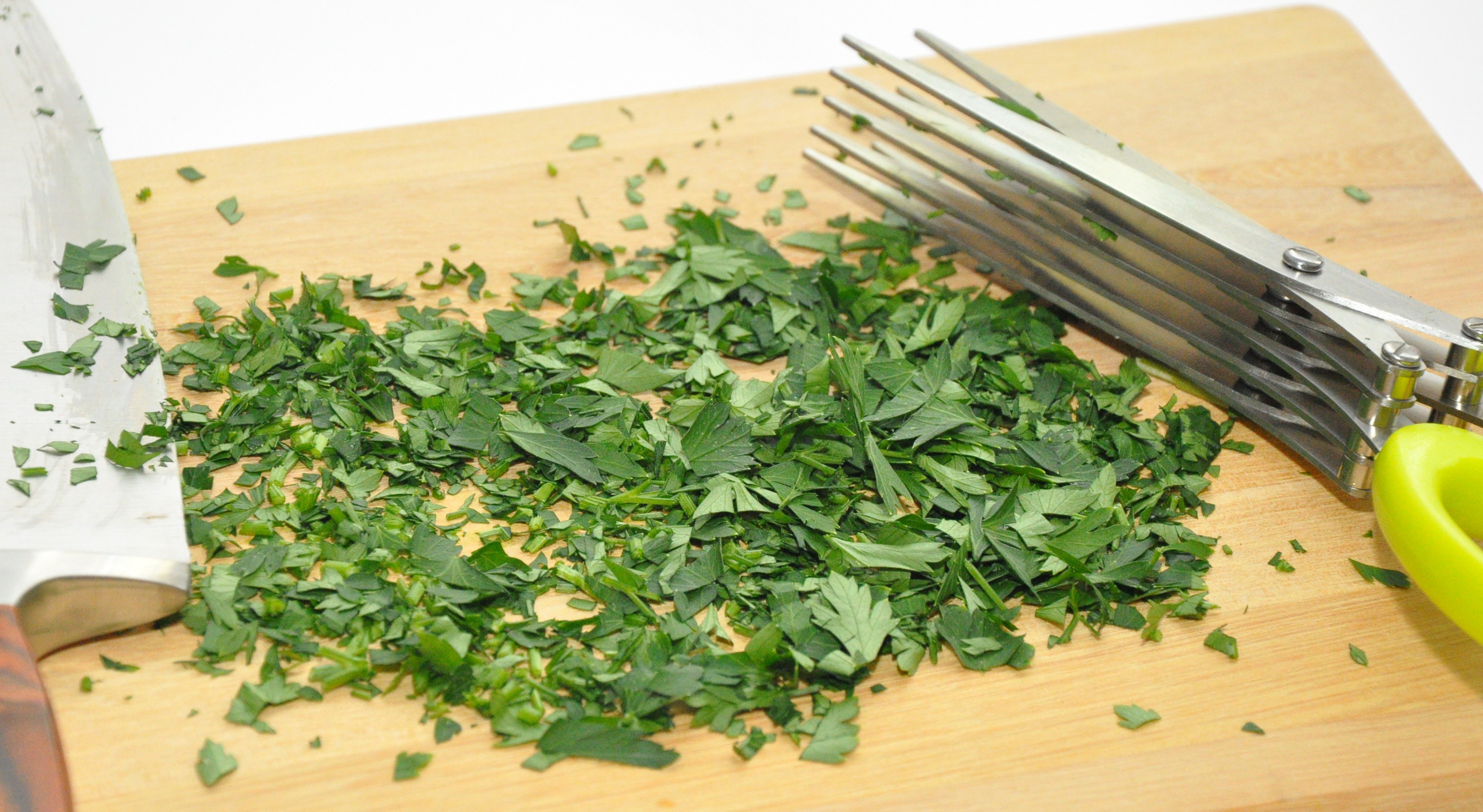 REPICATED CUT
This cut consists of leaving the food in very small and shredded pieces.
Where to use: parsley, chives, garlic, onions, nuts.
How to do it: first peel the vegetables. In the case of herbs, remove the stems, place them on the board and make cuts in several directions until they reach the desired size. Then wipe the paper towels and never wash them after chopped to avoid discarding nutrients. If they are onions, follow the steps of the julienne cut, but after making the strips, cut them into very small pieces, with the knife in several directions. For garlic, place them on the cutting board, place the knife on top and press to mash them. Then, go peaking.
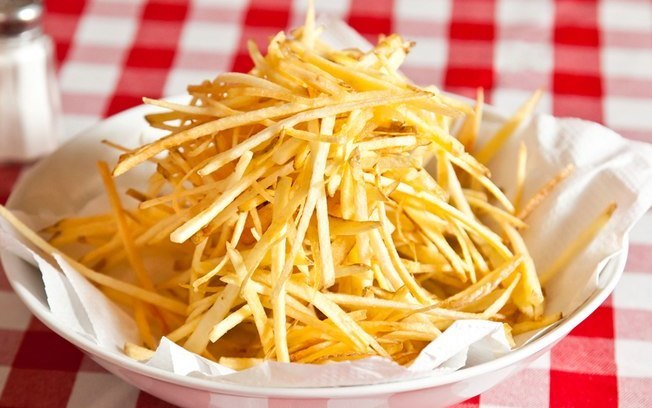 CUT TO STRAW POTATO
Where to use it: potatoes
How to do it: peel the potatoes, hit the ends and place on the board. Make very thin blades in the width direction. Then cut them into super thin diagonal strips. Or use the grater.
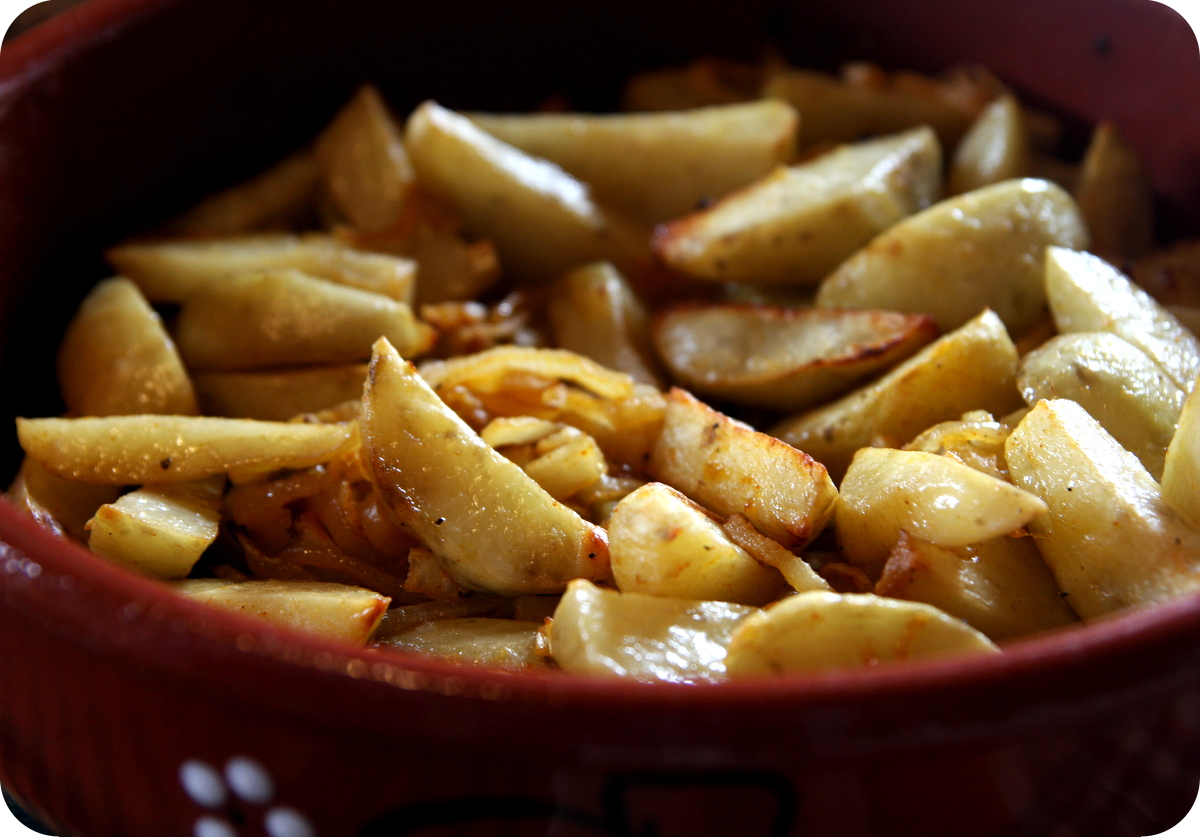 CUT TO BAKER
Cut used in potatoes, mainly for souté potatoes.
How to do it: Peel the potatoes, hit the ends and place on the cutting board. Cut into slices about the width of a finger, in the width direction.
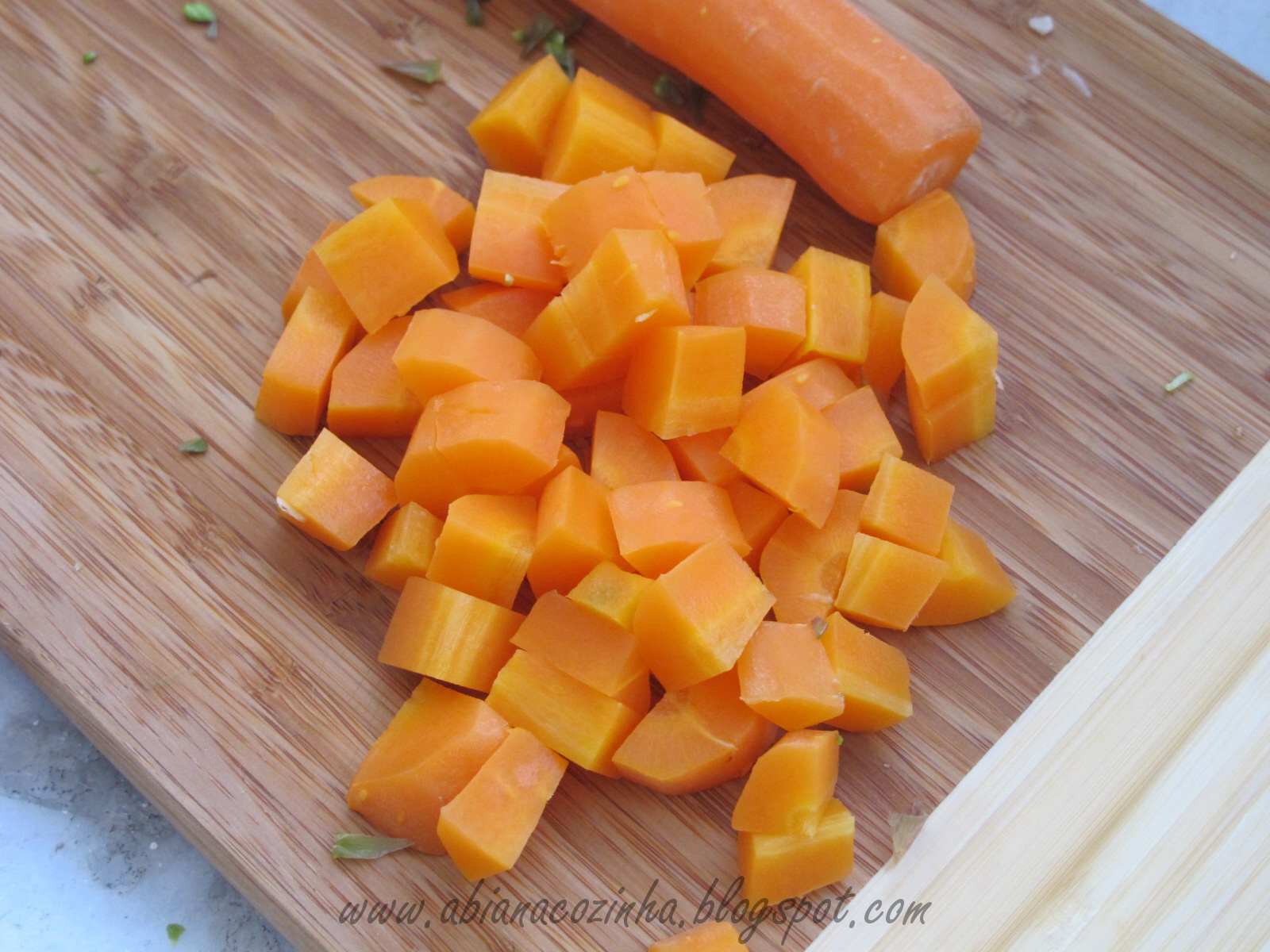 CUBE CUTTING
Depending on the size of the cubes to be reached, the cuts will be given different names:
- BRUNOISE CUT: small cubes (3mm side)
- GARDEN CUT: medium cubes (5mm side)
- MACEDONY CUT: big cubes (7mm side)
Where to use: potatoes, eggplant, zucchini, peppers, celery. Carrot.
How to do it: follow the same steps as the julienne cut, but make thicker strips and then cut the cubes. It is important to trim the sides of the vegetables to ensure uniform cubes.
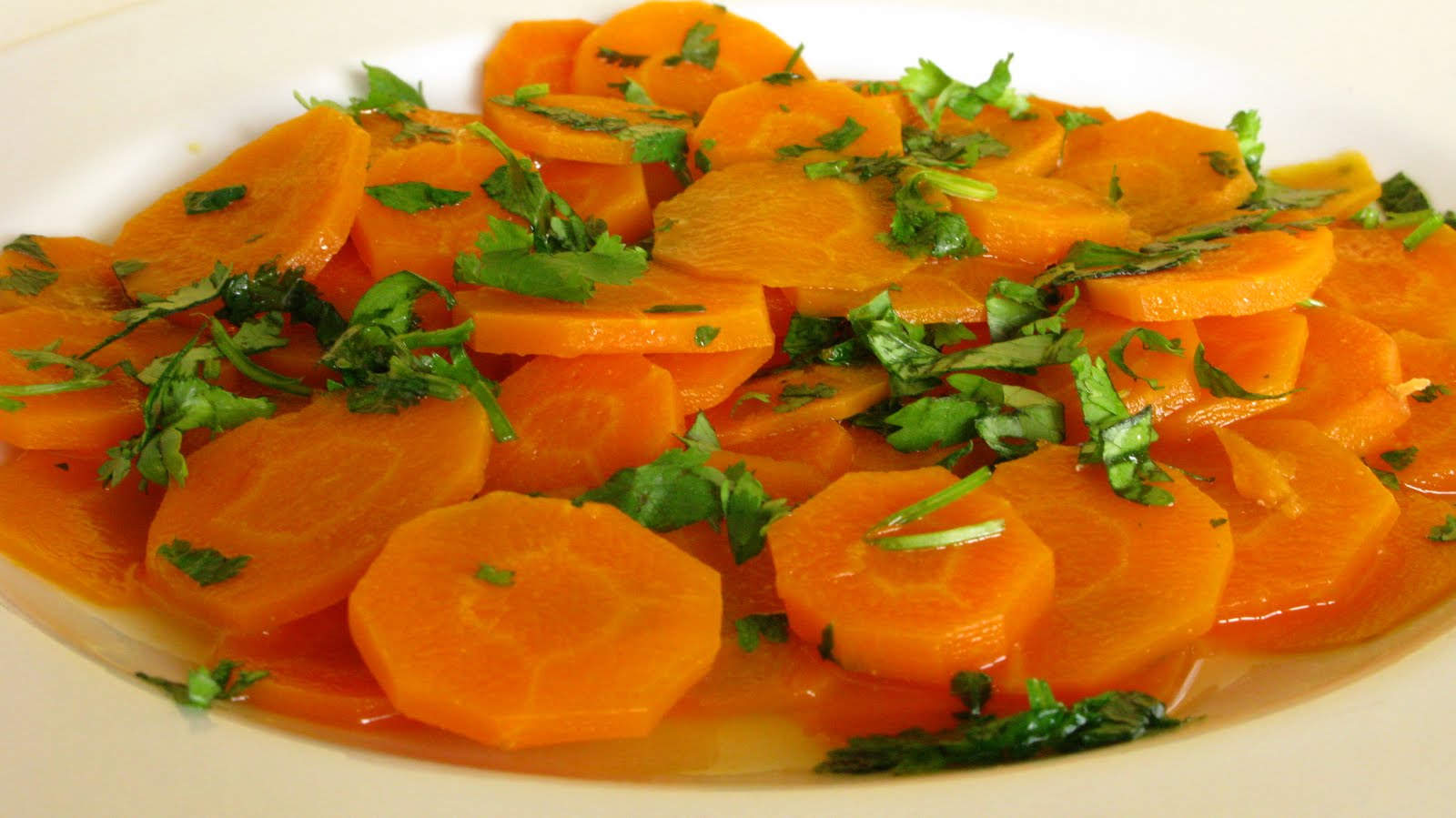 VICKY CUT
This cut consists of leaving the food in the form of very thin slices.
Where to use: carrots, peppers, potatoes.
How to do it: after peeling, removing seeds and other unwanted parts, place the whole vegetables on the cutting board and cut thin slices.
.jpg) CHIFFONADE CUT
CHIFFONADE CUT
This cut consists of leaving the vegetables in very thin strips.
Where to use: cabbage, cabbage, chard, spinach.
How to do it: separate the leaves from the vegetables one by one and then join them by rolling and squeezing well. Position it on the board and remove very thin strips.
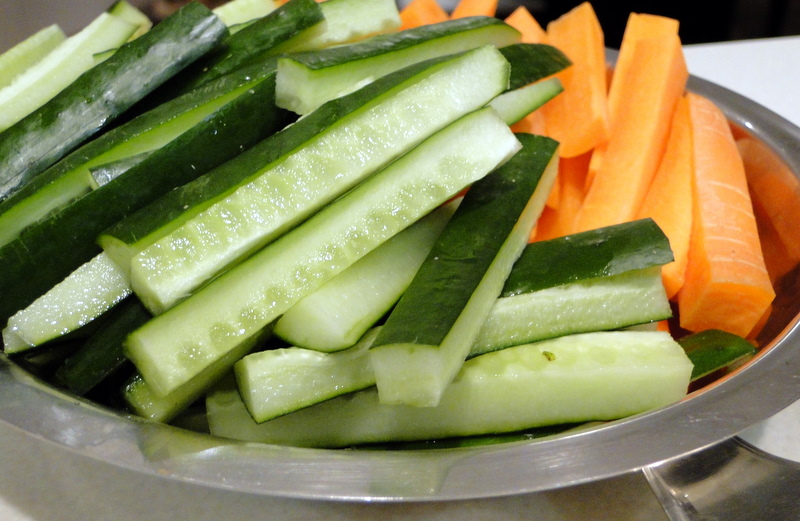 CUTTING CUT (batons)
Ideal cut for use in French fries.
How to do it: 6mm X 6mm X 5cm longitudinal cut or 6mm X 6mm X 6cm.
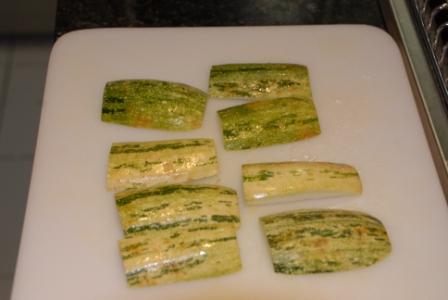 TURNING CUT (tourné)
Cut in the shape of a barrel, with seven equal sides and horizontal bases. It is a purely decorative cut, used in reasonably firm vegetables and roots, such as potatoes, carrots, zucchini in various preparations.
CUTTING BALLETS: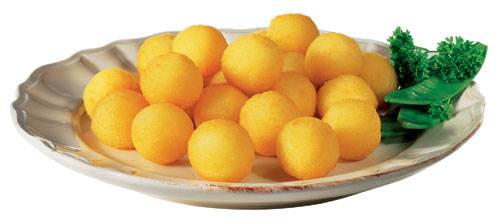
using a boleador, you can make a sphere-shaped cut in potatoes, fruits (papaya, melon, watermelon), zucchini, carrots, among others. According to the size of the boleador used, the cut can be called Parisian (1.5cm), Noisette (1cm), Printanière (8mm) and Royalle (6mm). Widely used for decoration
Principles of heat transfer in cooking
The basic principles for heat transfer is the rate of heat flow
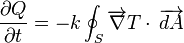 (general equation)
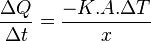 (equation for an axis)
which is the heat flow through the food on an x-axis
A food to be cooked, baked or any other form of heating, needs to analyze the heat flow in the food. If the food has a very high resistance to the heat flow, it will make homogeneous cooking between food regions difficult.
Cut and heat flow
Since the heat flow depends on the axis and the contact area in which the heat is applied to the food, cutting a food alters the way in which that heat flow is passed through the food.
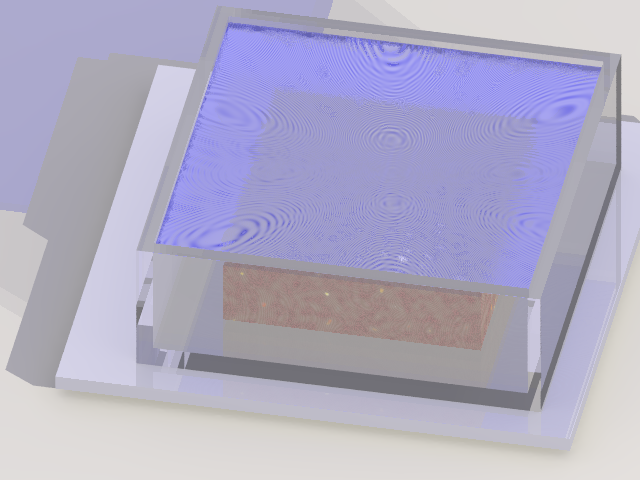
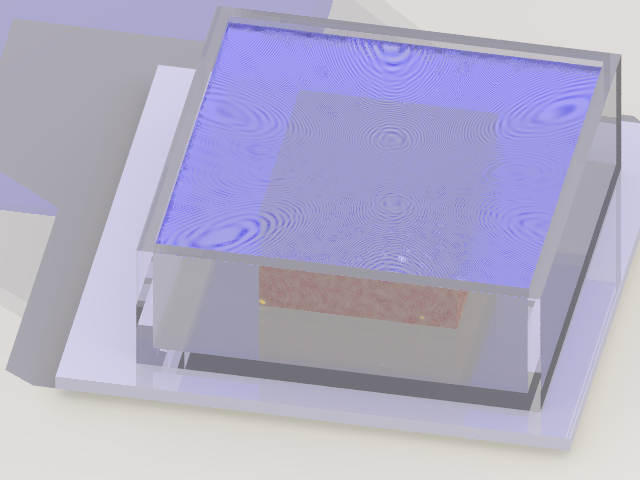
Simple source of heat and mass
A simple example is that small pieces heat more quickly
t=0s 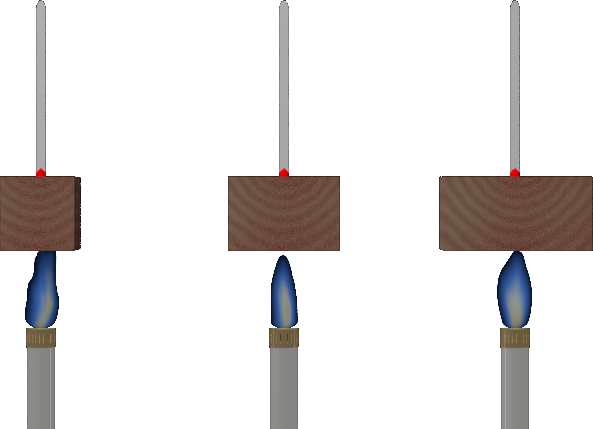 | t=Ns 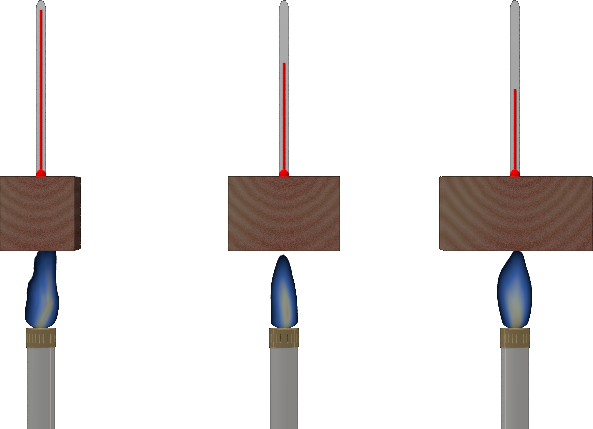 |
Thus a piece of food of smaller mass and the same shape is heated faster than the same food of larger mass with the same shape. Thus, the heat flow can reach smaller cuts more quickly at the opposite end of the heat source.
Heat source and contact area
When the food is placed on a heated plate, the heat flow is passed through the area of contact with the food. As the increase in mass influences the heating delay, the increase in the counting area increases the heating of a food. Thus, a food of the same mass, cut in such a way that the area of contact with the heat plate is smaller, will have a longer time homogeneous heating. Thus, if you want to heat a food more quickly, cuts with a larger contact surface are required.
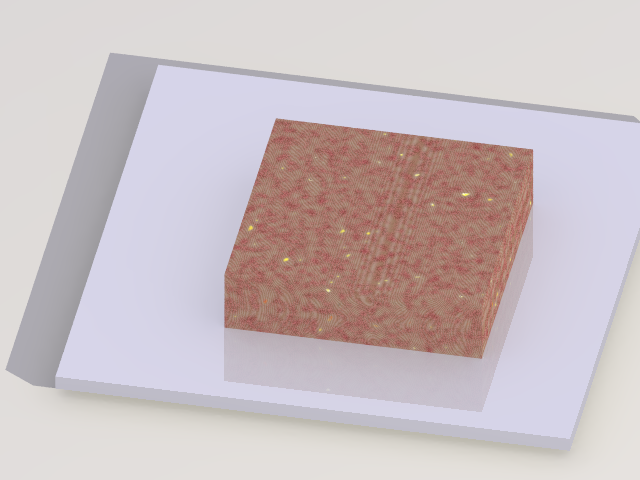
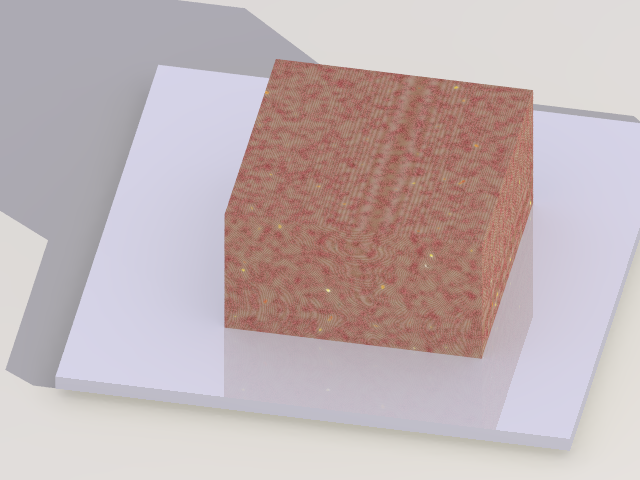
If we are dealing with food placed in a heated liquid, then we have more areas of contact with sources of heat flow. Thus, the larger the contact area on the dough, the greater the homogeneous heating speed of the food.
Thus, in the case of a food cut in a parallelepiped, the heating speed tending to heat homogeneity can follow the following formula.
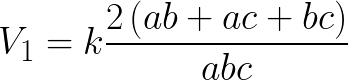
V_{1}=k\frac{2\left ( ab+ac+bc ight )}{abc}
Therefore, the minimum speed, when the axes are the same size, and the mass remains the same.
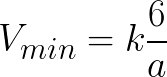
V_ {min} = k \ frac {6} {a}
 |  |
Resistance to heat flow
Resistance to heat flow is measured by the heat transfer coefficient.
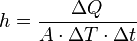
Which is connected to the contact area of the heat source. It is very important to know this factor so that food does not suffer thermal effects on the outside, unlike the inside. This difference may be desired in some foods.
In other words, according to the thermal transfer coefficient, we can determine how much resistance is to heat transport inside the food.
Fibers, heat and cut
The cut in relation to the fibers of the food can cause the variation in cooking, or the cooking becomes uneven in the food.
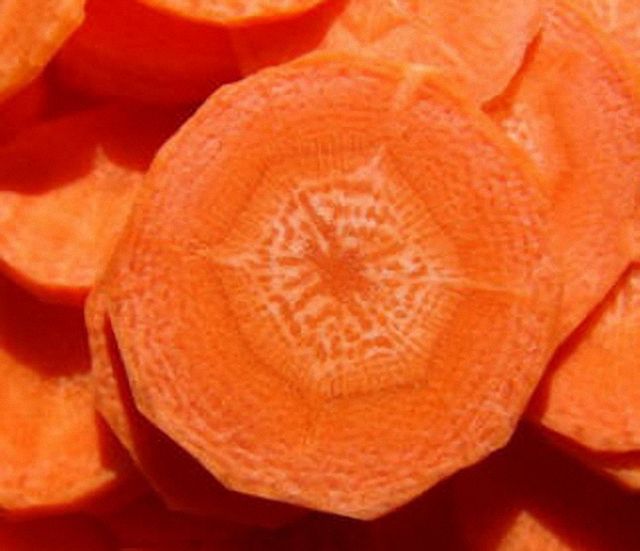
If we observe a carrot, we observe the differences of its fibers, fibers more united usually have a greater resistance to the passage of heat, fibers more spaced and with more liquid constitution have less resistance to the passage of heat. Thus, a larger area cut by volume, and radial, generates a more homogeneous cooking.
In the case of meat, if you want the products to be dissolved in water, cut them transversely to the fascicle of muscle cells. If you want to keep the products inside, cut them parallel to the fascicles. Regarding the parallel cut. In addition, if the cut influences the ease in loosening the fibers, cross-cutting the fiber facilitates when chewing.
Oxidation reactions due to heat difference
Another important factor is related to the cut and the heat difference between the food and the 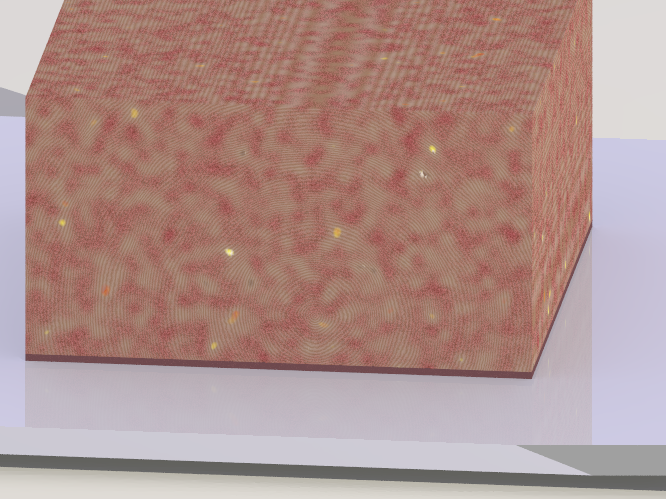 heat source . When a food is placed in a heat source, for example a plate, if the plate provides heat, without obeying the heat resistance of the food, the part in contact with the plate will receive heat to the point of oxidizing "burning". This oxidation causes the water in contact to evaporate, and in the oxidized area the heat flows faster, being slower than the plate itself. In some foods this factor can be used, but for others it may not be desired.
Normally transversal cuts to the fiber, in which the cut part is placed on the plate, favor that the water or lipids contained between the fibers come into contact with the plate, making it difficult to form an oxidation band. Parallel cuts tend to make it difficult for water or lipids to escape, favoring the formation of the band.
Since food normally has large molecules in relation to molecules such as water, such molecules have difficulty vibrating due to heat, and many times they break and oxidize "burn", due to exceeding the activation energy. Thus, the heat source, related to the type of food and the cut applied to the food, must be properly regulated to obtain the desired effect on the cooking of the food.
Conclusion
We can observe that depending on the cut of a food, and the way that we provide heat flows in this food, we manage various thermal effects in parts of this food. As the heat flow depends on the contact area, the area in which the food is in contact and the heat transfer coefficient that determines the heat flow between the food.
Cut, contact area, temperature, time, fiber position, are important factors for the production of a food that you want to follow to generate specific thermal effects on this food.
Bibliography
1. Professional improvement course in Domestic Kitchen - 1. ed. - São Paulo / SP: CE, ABAST. 2009
2. Minimum Fruit Processing - Maria do Socorro Rocha Bastos - Embrapa Technological Information - Brasília, DF -2006
3. Higher Course in Gastronomy - BASIC KITCHEN TECHNIQUES - TECHNOLOGIST IN GASTRONOMY - 1st SEMESTER - 2012/2 -UNIC
4. Manual de Cozinha - © Compenditur - Depº. Didactic Resources -http: //portal.iefp.pt/xeobd/attachfileu.jsp? Look_parentBoui = 22526064 & att_display = n & att_download = y
5. Engineering Thermodynamics - 2010 Tarik Al-Shemmeri & Ventus Publishing -ISBN 978-87-7681-670-4
6. Treatis on Thermodynamics - Max Planck - Dover Publications
