There is a singularity between relative truth and absolute truth. It's the theory of the unexpected. In relative truth, truth depends on the individual, but in absolute truth linked to realism, absolute truth does not depend on man.
In this case, the theory of the unexpected is the idea that something not determined by man happens in an unexpected and unknown way. If something is unknown, then man's dependent truth would not know of its existence.
In the previous study we saw the irrational construction of an auter-ego infinite in knowledge, and in processing, which would be able to produce the system of the theory of the unexpected. But the existence of an omniscient alter ego, of infinite processing, would leave the rational system of logic and fall into a system with no sense of existence.
In this case the alter ego loses its reason to exist.
Thus, if an infinite alter ego has no reason to exist to control the existence of part of itself. In this case, the theory of the unexpected involves an existence outside and independent of man.
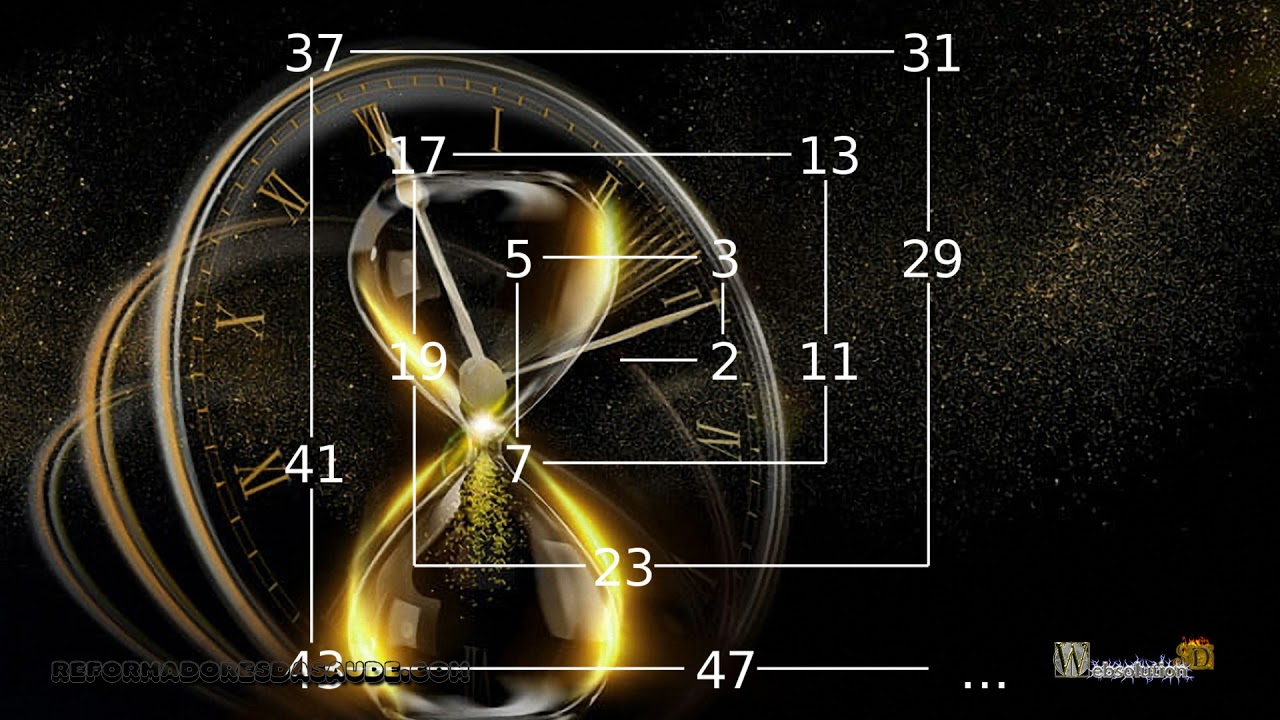
Thus, the existence of the unexpected is possible. One of the concepts of the theory of the unexpected, for example, is the discovery of prime numbers, which lead to great computer processing.
You don't know a prime number until you find it by adding numbers, until you reach a number that divides only itself.
The discovery of this number is the factor of the unexpected.
It is therefore necessary to spend energy until, at an unexpected moment, the prime number is discovered. Thus, the prime number exists before being discovered by man, as it is unexpected, it was not idealized by man's relative truth.
It was only detected by the contact system between man's perception of reality and reality in fact.
The theory of the unexpected is the factor that determines the existence of reality in fact. Man's perception of reality is made up of variations of reality, until these variations try to balance themselves with actual reality.
Man is free to decide to accept the attempt at congruence between man's perception of reality and reality in fact. Normally, the distancing of the attempt at congruence between the perception of reality and reality in fact is proportional to the rate of madness, socially delimited.
Usually society chooses the idea of reality in fact, in medicine or engineering, and chooses the variation of internal reality in social concepts.
This is the hypocrisy system of reality. Merely the pursuit of pleasure, when it does not generate deaths or go into a detour considered dangerous, uses the variability of reality. And when you consider the detour to be dangerous, you use realism.
In this practical way, realism is accepted and is the basis for physical systems. And the obedience of these physical systems is closely linked to social norms that allow one to ignore physical laws, to live the illusions of varied realities.